How Top Beauty Brands Win at Social Media in 2026
How Pat McGrath, Bobbi Brown, MAC, and Charlotte Tilbury turn influencer content into sales — the social commerce playbook beauty brands can copy in 2026.

If you work in beauty marketing, you've spent hours analysing competitor content, scrutinising engagement rates, and wondering whether the latest viral TikTok is right for your brand. You're not alone.
Beauty has always led social media marketing — inspiration has sat at the core of the category for decades. But the game has changed. Reach on its own no longer pays for itself. The brands winning now treat social as a path to purchase, not just a place to be seen: they turn views into sales, and they can prove the ROI on every creator they work with.
This is a breakdown of how four beauty powerhouses — Pat McGrath Labs, Bobbi Brown, MAC Cosmetics, and Charlotte Tilbury — actually run their influencer and social commerce strategies, and what you can copy.
The Current State of Beauty Influencer Marketing
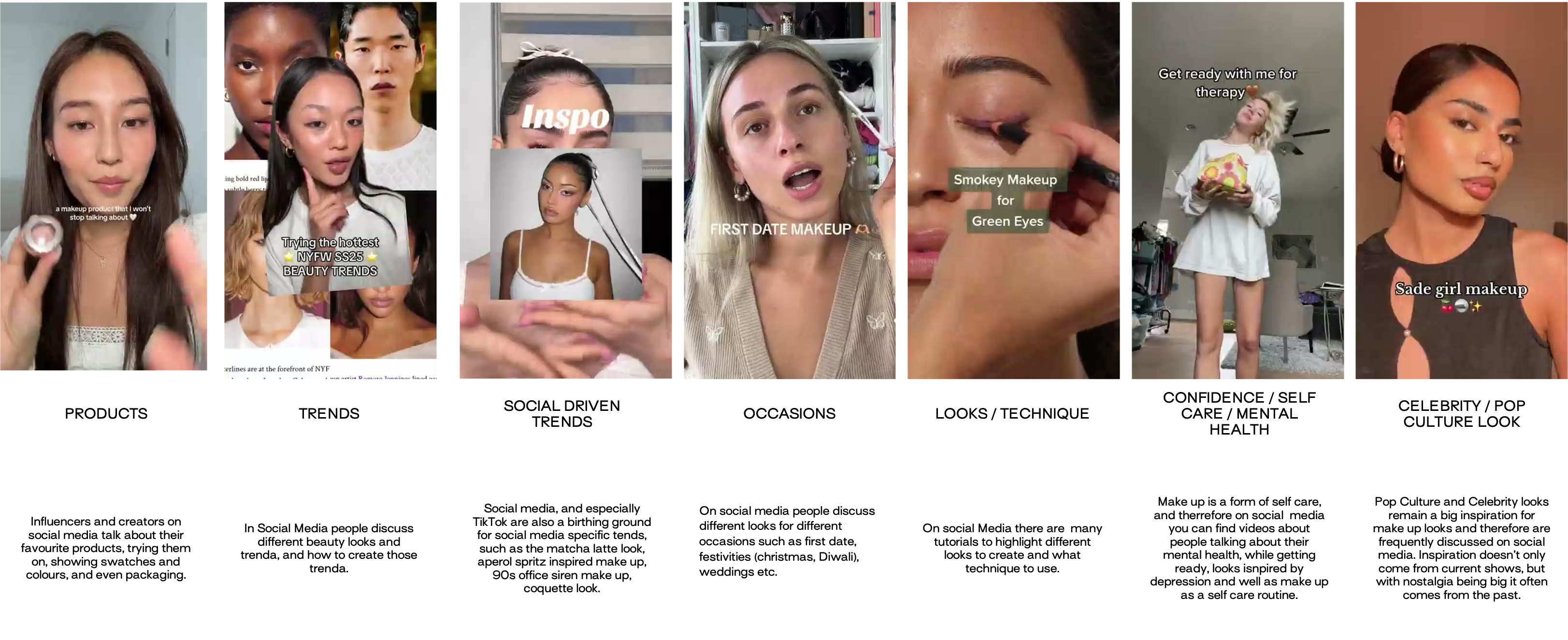
Beauty influencer marketing runs on a handful of content formats that shape trends, drive engagement, and move buying decisions: occasion-based looks, product reviews, viral aesthetics, and expert technique. Creators connect through a mix of education, inspiration, and entertainment — and beauty is increasingly woven into lifestyle, with self-care, mental health, and pop culture all pulling audiences in.
Understanding those formats is the groundwork. The real question is how brands turn them into sales.
Want to go deeper on where social commerce is headed? Read our 2025 Social Commerce Strategy Report.
How Top Beauty Brands Are Leading the Way
Why do some brands convert their audiences while others just accumulate followers? We analysed four beauty leaders — Pat McGrath Labs, Bobbi Brown, MAC Cosmetics, and Charlotte Tilbury — to find the strategic choices that actually moved the needle. Here's how they compare at a glance:
| Brand | Positioning | Talent mix | Community play | Affiliate programme |
|---|---|---|---|---|
| Pat McGrath Labs | Luxury, fashion-first artistry | Models, fashion influencers, pro makeup artists | Actively engages fashion-world partners | No |
| Bobbi Brown | Natural, everyday looks | Market-specific celebrities, beauty + lifestyle influencers | Limited, mostly own channels | Yes (low profile) |
| MAC Cosmetics | Trend- and culture-first, Gen Z | Social-first creators + traditional beauty talent | Through Gen Z talent (Tube Girl, Gabriette) | Yes (low profile) |
| Charlotte Tilbury | Glamour and empowerment | Beauty, fashion, plus gaming and F1 talent | Comments on and with partner creators | Yes (prominent) |
Pat McGrath Labs: The Fashion-First Approach
With around 6M Instagram followers and a strong TikTok presence, Pat McGrath Labs shows how luxury beauty thrives in social commerce.
What they do:
- Deep integration with fashion week and runway culture
- Fashion influencers and models, not just beauty creators
- Professional makeup artists producing elevated, editorial content
- A consistent focus on artistry and high-fashion aesthetics
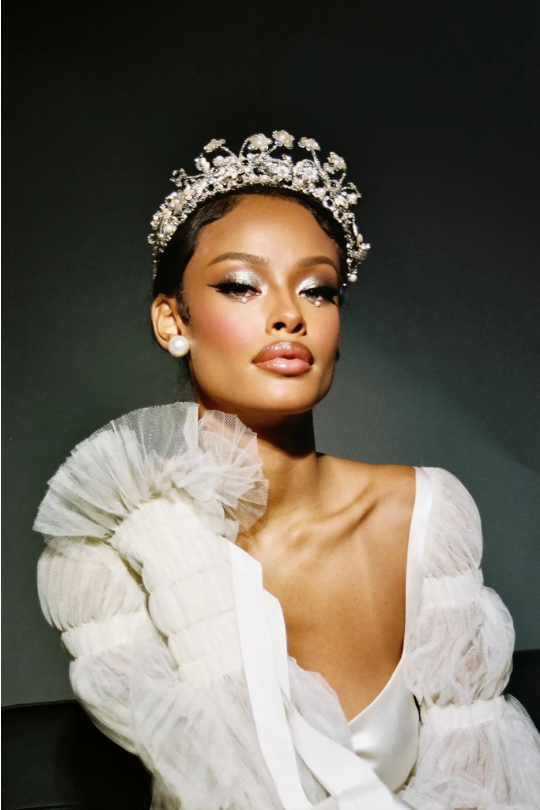
Why it works: Pat McGrath anchors the brand to the fashion world — runway looks, models as muses, celebrities and fashion influencers — often with Pat herself doing the makeup. Tying celebrities to events culture, makeup artists to artistry, and beauty influencers to product creates a rounded approach that sells both the craft and the catalogue. The brand does not appear to run an affiliate programme.
Bobbi Brown: The Everyday Beauty Expert
With around 4.2M Instagram followers, Bobbi Brown demonstrates the power of authenticity and achievable looks.

What they do:
- Natural, achievable, everyday looks
- Lifestyle influencers alongside beauty creators
- Market-specific celebrity partnerships (for example, India)
- Content that emphasises simplicity and versatility
Why it works: Positioning around natural, everyday beauty lets Bobbi Brown reach beyond the core beauty community — lifestyle influencers tap audiences who don't follow traditional makeup artists. Celebrities target specific markets, beauty influencers carry product, and in-house makeup artists act as content creators. Community management beyond their own channels looks light. An affiliate programme appears to exist, but it isn't prominent.
MAC Cosmetics: The Culture-First Strategy
MAC's roughly 24.2M Instagram following comes from leaning hard into trends and Gen Z culture. MAC Cosmetics balances talkability with professional credibility.

What they do:
- Gen Z talent like Tube Girl and Gabriette
- Trend-driven, occasion-based content
- Professional makeup artist collaborations for credibility
- A deliberate balance of trends and technique
Why it works: MAC has intensified influencer marketing around Gen Z while protecting professional credibility. Pairing social-first creators with traditional beauty talent keeps the brand relevant and talkable in the spaces where trends start. There's no obvious standalone community strategy, but high-profile creator partnerships keep MAC inside the right communities. An affiliate programme appears to exist, but it isn't prominent.
Charlotte Tilbury: The Empowerment-Led Strategy
With around 6.9M Instagram followers and 1.7M on TikTok, Charlotte Tilbury stands out for reach that extends far beyond beauty.

What they do:
- Family-centred, personality-led content
- Cross-industry partnerships, including gaming and Formula 1
- A prominent, well-supported affiliate programme
- Consistent empowerment messaging
Why it works: Charlotte Tilbury positions itself as a glamour brand that helps people feel like the best version of themselves — and backs it with unusually broad reach. Working with beauty and fashion insiders plus talent from racing and gaming extends the audience while reinforcing the empowerment message. The brand actively engages the creators it works with by commenting on their pages, and its Affiliate & Ambassador programme is front-and-centre on its site — the clearest path from content to tracked sales of the four.
Key Takeaways for Beauty Brands
- Authenticity drives sales. The brands that win align creator partnerships with their core values, not just follower counts.
- Optimise per platform. Content has to fit the environment it lives in — Instagram, TikTok, and the rest each reward different things.
- Look beyond beauty. Cross-category talent (gaming, F1, lifestyle) expands reach without diluting the message.
- Community beats campaign. Long-term partnerships outperform one-off collaborations.
The thread running through all four: the most valuable creator content is the kind that leads somewhere you can buy. That's the gap ecommerce micro-stores close — turning a creator's post into a shoppable, attributable storefront instead of a link to your generic homepage.
Looking Ahead
Beauty's approach to social commerce keeps evolving, but the winners share one trait: they translate social engagement into direct sales without losing the authentic connection that earned the audience in the first place.
Whether you're scaling an established brand or building a new one, stop treating influencer marketing as a reach play. Build a seamless path from discovery to purchase, so every post, story, and collaboration becomes a potential point of sale. It works: when NARS ran a dedicated creator store with makeup artist Charly Salvatore, it more than doubled conversion rate and lifted AOV by 40% versus their standard funnel.
Want to turn your beauty brand's social presence into a sales channel you can measure? See how creator storefronts work, or book a demo — your first store can be live this week.
Contributing Writer
Beauty industry expert covering social commerce strategies and brand growth in the DTC space.
Frequently asked questions
Which beauty brands have the best social media presence?
Four of the strongest are MAC Cosmetics (around 24.2M Instagram followers, trend- and Gen Z-driven), Charlotte Tilbury (6.9M Instagram and 1.7M TikTok, empowerment-led with a prominent affiliate programme), Pat McGrath Labs (around 6M followers, fashion-first artistry), and Bobbi Brown (around 4.2M, natural everyday looks). Each wins with a distinct, consistent point of view rather than chasing every trend.
What beauty brands are similar to Trendmood on social media?
Trendmood is a beauty-community account known for breaking product launches to a highly engaged following, so the brands that resemble it are the ones that have built genuine community around social. MAC does this with Gen Z trend culture, Pat McGrath Labs through fashion and artistry, and Charlotte Tilbury by actively engaging the creators it partners with — turning an active social presence into a two-way community rather than a billboard.
What makes a beauty brand successful on social media?
Four patterns repeat across the top brands: authenticity (creator partnerships that match brand values, not just follower counts), optimising content per platform, looking beyond beauty to cross-category talent like gaming and F1, and favouring long-term community over one-off campaigns.
How do beauty brands turn social media into sales?
The winners stop treating social as a reach play and build a path from discovery to purchase — making posts shoppable and sending creator traffic to tailored micro-stores instead of a generic homepage. It works: when NARS ran a dedicated creator store with makeup artist Charly Salvatore, it more than doubled conversion rate and lifted average order value by 40% versus its standard funnel.
Build your first Checkout Store free.
Connect your store and launch a curated funnel in minutes.