How to Speed Up Your Ecommerce Store Without Going Headless
Why site speed matters and why headless commerce isn't the only solution. Alternatives that deliver fast-loading stores without the complexity.
Site speed is no longer a nice to have; it’s a foundational requirement for a successful online store.
Milliseconds can determine whether a site visitor becomes a loyal customer or a lost opportunity. Yet many E-Commerce businesses find themselves tangled in a web of complexity, chasing promises of speed from third-party tools, external development agencies and plugins.
This article explores why site speed matters and analyzes some accessible solutions for achieving lightning-fast performance.
Why Site Speed is Crucial in E-Commerce

First impressions are everything. Research consistently shows that online shoppers are impatient and the odds are stacked in favor of sites that load quickly:
- 53% of visitors abandon a site that takes more than 3 seconds to load- For every 1-second delay in page load, conversion rates can drop by up to 20%- Google considers site speed a key ranking factor for SEOSpeed directly impacts customer experience, conversion rates, and brand perception. A fast, seamless experience keeps visitors on your site and encourages them to complete the path to purchase – and return to buy again.
Slow sites frustrate users and send them straight to competitors. If you’re not prioritizing your site speed, you’re leaving money on the table.
Headless Commerce: The Promise vs. The Reality
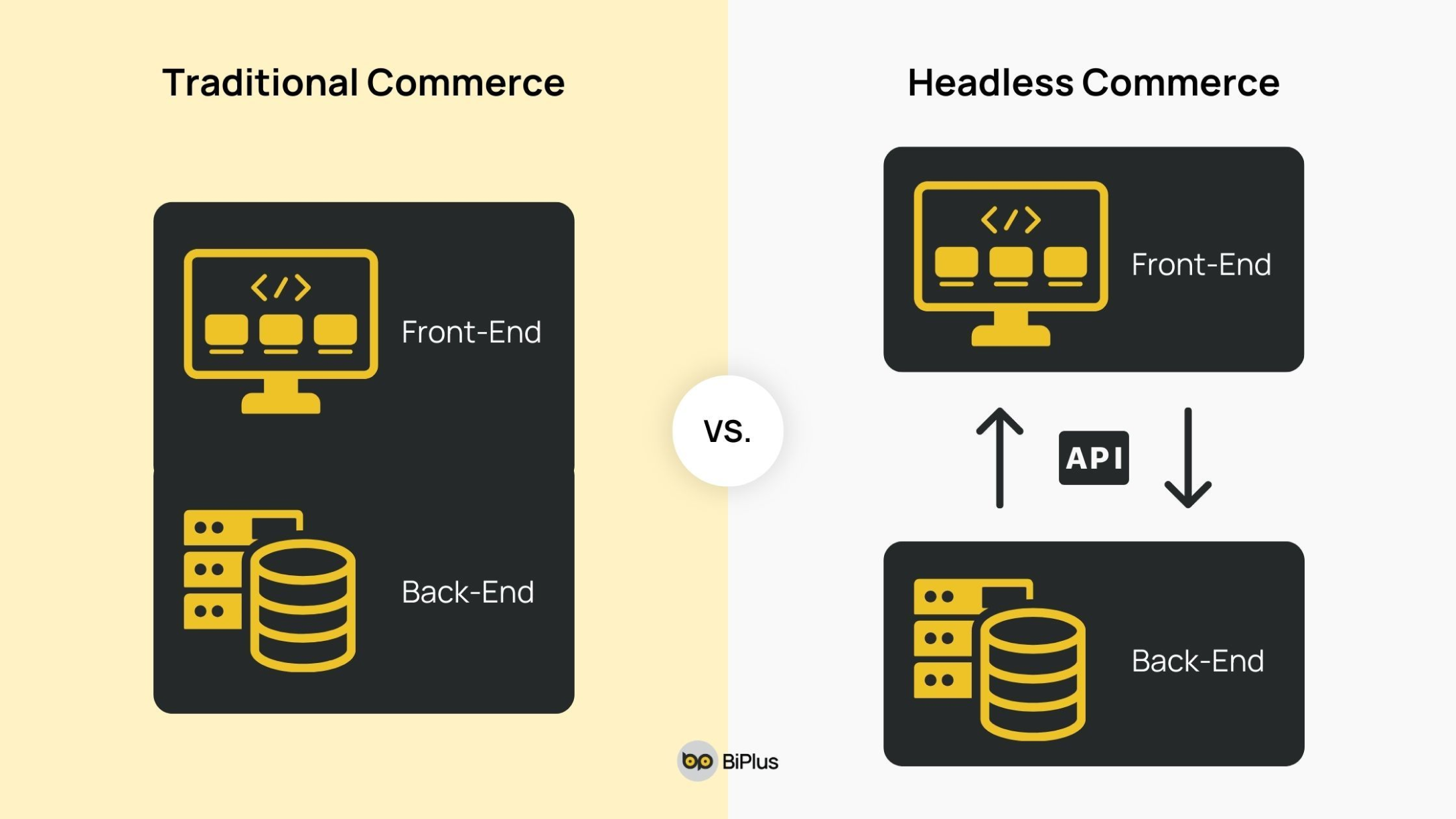
In E-Commerce sites built in a traditional “monolithic” setup, the front-end (what users see) and back-end (where data is processed) are tightly coupled to form a web page. These two entities must be processed and delivered together for a page to load effectively. If there is a lot of information (i.e. large media files, background applications and code) to process, this will negatively impact load times. This results in a slow website and a single bug in one part of the application can spell disaster for the entire system.
Headless commerce has been touted as the ultimate solution for achieving optimal site speed and flexibility, as the front-end and back-end are separated. In headless architecture the front-end fetches data from the back-end via APIs, allowing each layer to be optimized independently. This leads to faster and more efficient delivery of content and fast-loading pages.
Headless site architecture allows developers to build highly customized user experiences, theoretically improving performance and scalability without straining development resources. Better Commerce cites that 65% of E-Commerce businesses leveraging enterprise headless architecture have reported enhanced agility in implementing site updates, while 69% enjoyed faster expansion to new channels and touchpoints.
Headless Promises:
- A faster, more responsive front-end- A customizable user experience, free from the constraints and pitfalls of traditional platforms- The ability to handle large amounts of traffic without compromising on performanceOn paper, switching to headless architecture seems like the ideal route for E-Commerce brands** **looking to boost site speed and stay ahead of the competition.
However, many brands that have adopted headless are finding the reality falls short of the promise…
The Disillusionment with Headless
While headless offers potential benefits, it also introduces significant challenges:
Implementing and maintaining a headless architecture is expensive. Beyond initial development costs, ongoing infrastructure and engineering support can drain finances – particularly if you’re working with an external agency.
Additionally, headless solutions often require custom development, specialized teams, and complex integrations. Salesforce recommends that brands implement headless in phases, allowing you to monitor performance after each launch and incorporate learnings into subsequent iterations. The complexity headless presents and the need to phase adoption can slow down iteration, increase time-to-market for new features, and add on more unforeseen costs.
Ironically, some headless implementations still suffer from speed problems due to inefficient APIs or poorly optimized front-end code.
These drawbacks have led many E-Commerce brands to reconsider whether headless is worth the investment. For brands looking to improve site speed without the baggage of headless, there are more accessible paths to success.
Alternative Solutions to Increase Site Speed#### **Conversion Rate Optimization (CRO)**Traditional conversion rate optimization (CRO) levers remain incredibly effective for improving site speed. Key technical CRO techniques to cut page loading times include:
- Image Optimization: Compressing images and using next-gen formats like WebP
- Lazy Loading: Loading images and content only when they enter the user’s viewport
- Code Minification: Reducing the size of CSS, JavaScript, and HTML files
- Caching Strategies: Utilizing browser caching and Content Delivery Networks (CDNs) to serve content faster
- Reducing Third-Party Scripts: Minimizing the use of heavy third-party scripts that can slow down page load times These optimization techniques can yield significant performance gains without adding to costs by replatforming.
Headless-Native Solutions
If you’re still drawn to the idea of headless but want to avoid its costly pitfalls, consider headless-native solutions like Comet that offer an alternative, more streamlined approach to site speed optimization.
Comet provides a modular building system to create highly optimized, personalized shopping experiences that sit alongside your existing site (micro-stores). Instead of building and hosting landing pages for each campaign, Comet enables you to build offsite experiences synced with your main store via APIs.
Comet’s micro-stores are built for conversion and do not have to carry the load from your plug-ins and code attached to your main storefront. Plus marketing teams get the flexibility and freedom to create and test modern storefront interfaces for individual campaigns, without requiring adjustments to their main storefront theme.
For example, comet’s customers like NARS or éclat are leveraging video content and social commerce UI elements across their comet micro-stores to drive conversions from paid social with 0 effects on their main store loading speed.
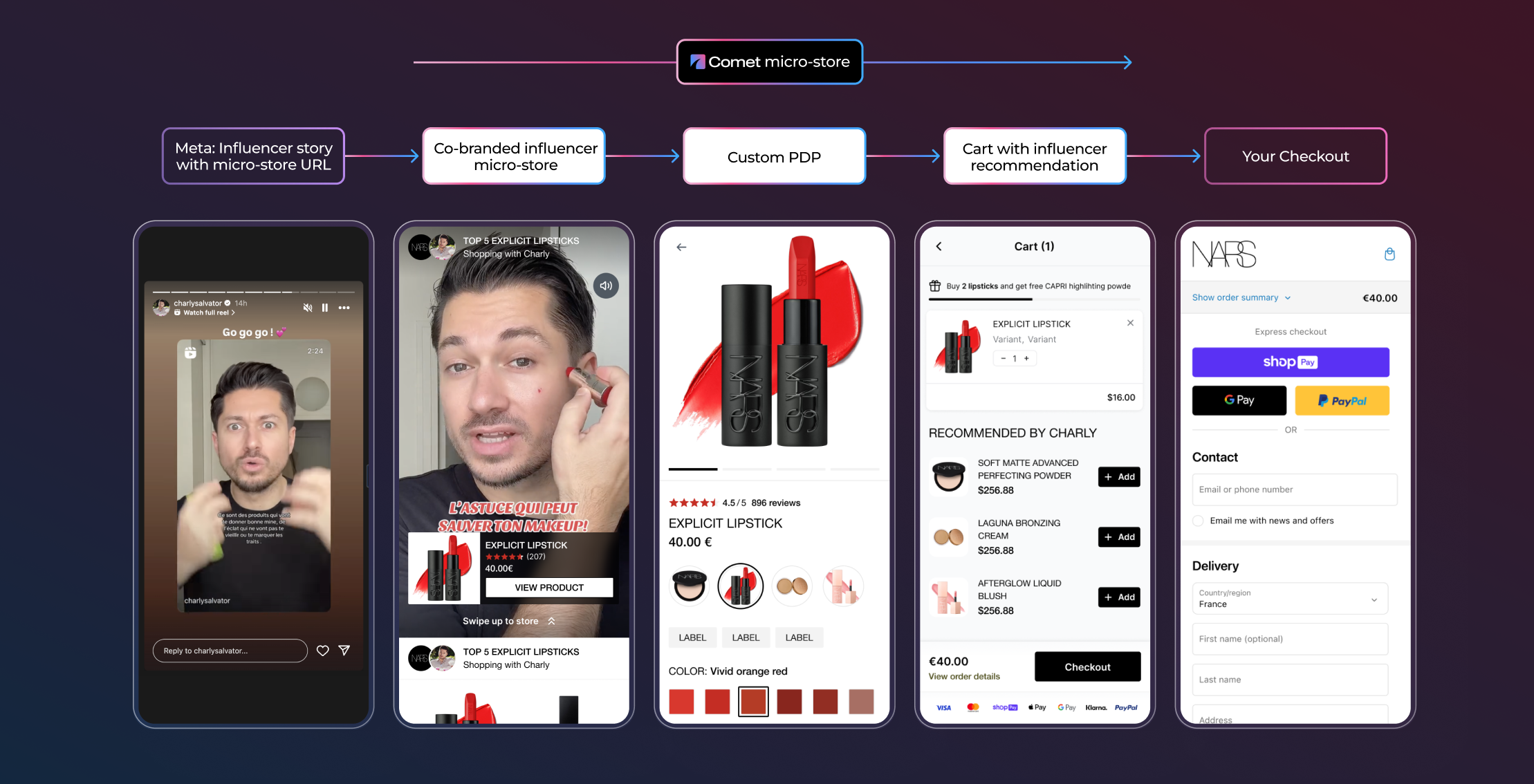
In sum, designed to enhance user interactions and maximize conversion rates, Comet gives you the flexibility of headless with rapid deployment and a more manageable and cost-effective infrastructure.
Benefits of Headless-Native Solutions:
- Built for Speed: Out-of-the-box performance optimizations ensure fast load times without heavy engineering.- Simplified Architecture: Combines the flexibility of headless with a more manageable and cost-effective infrastructure.- Rapid Deployment: Faster implementation times compared to traditional headless solutions.Through dynamic content and curated product recommendations, headless-native tools like Comet enable you to offer a personalized shopping and checkout experience with advanced customization and testing capabilities and lightning-fast load times.
These site speed solutions give you the best of both worlds: the performance gains of headless without the headaches of complexity and cost.
Conclusion
Site speed is key to E-Commerce success, and a slow website can lead to lost customers and decreased revenue. As accelerating consumer expectations demand “right here, right now” experiences, the fastest site often wins.
While headless commerce has been heralded as the ultimate path to achieve speed, its challenges often outweigh the benefits for brands without a hefty budget to spend on replatforming.
Instead, it’s more than possible to achieve the speed you need to drive growth without unnecessary cost or complexity by utilizing traditional on-site optimization techniques for your existing site, combined with headless-native solutions like Comet.
**Discover how Comet can help you drive higher conversions, bigger cart sizes, and smarter ad spend today. **
Content Lead
Covers social commerce trends, ecommerce marketing strategies, and the evolving landscape of online retail.
Frequently asked questions
Why does site speed matter in ecommerce?
Speed directly drives revenue. 53% of visitors abandon a site that takes more than three seconds to load, every one-second delay can cut conversions by up to 20%, and Google treats page speed as a ranking factor. A slow store loses customers before they ever see your products.
What are the alternatives to headless commerce?
You do not need a full headless replatform to get speed. Two accessible paths are on-site conversion optimization (image compression, lazy loading, code minification, caching and CDNs, fewer third-party scripts) and headless-native tools like Comet that give you headless-style flexibility without the cost and engineering overhead.
How can I make my ecommerce site faster without replatforming?
Start with the technical levers that need no replatform: compress images and use next-gen formats like WebP, lazy-load below-the-fold content, minify CSS and JavaScript, lean on browser caching and a CDN, and cut heavy third-party scripts. These often deliver large speed gains at a fraction of the cost of going headless.
How do you keep a store fast during traffic spikes?
Campaign traffic is where main stores buckle, because every visitor loads the full site with all its plugins and scripts. Headless-native micro-stores sidestep this: they sit alongside your main store, sync via API, and carry none of its plugin load — so brands like NARS run paid-social campaigns with zero effect on their main store's speed.
Build your first Checkout Store free.
Connect your store and launch a curated funnel in minutes.